

The Invisible Formation of Who We Are Becoming
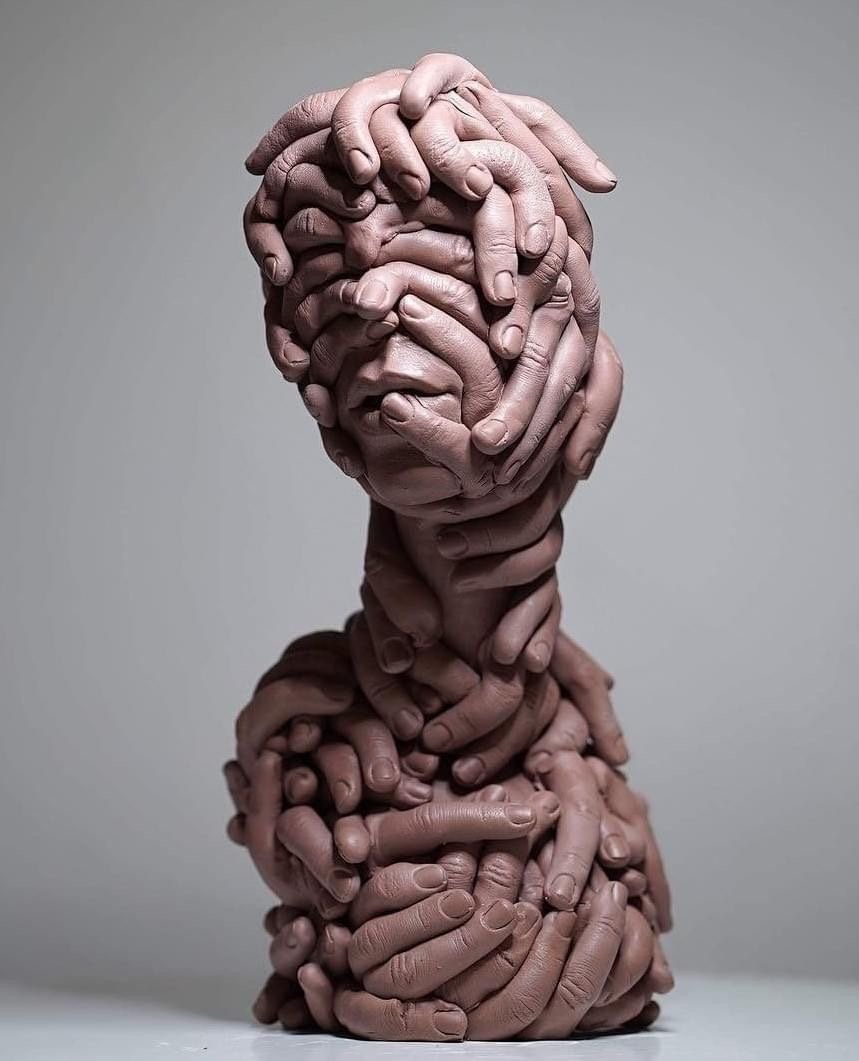
The Formation We Do Not Choose
There is something unsettling about realizing that our lives are being shaped—even when we are not fully aware of it. We tend to think of growth as something intentional, driven by our choices and decisions. But whether we want it or not, something is always forming us. And that, in itself, can be difficult to sit with.
Formation does not wait for permission. It takes place in the ordinary moments of our days—in how we respond to an email, in the tone we use when something irritates us, in the quiet commentary that runs through our minds while driving, in the opinions we fall back on, and in what we consume when we are tired.
“Formation happens in repetition, not in revelation.”
Over time, these small, repeated moments begin to accumulate until they become something more permanent. Often, neither we nor those around us fully notice what is taking shape within us—until something interrupts our rhythm and invites us to pause. In that pause, we begin to see more clearly: the patterns we have been forming start to feel like identity.
At that point, the question begins to shift. We move from asking, “What should I do next?” to something more honest:
“What am I becoming?”
The Inner Life We Avoid
A simple image may help.
At the beach, most of us tend to stay in the shallow water, where there is still a sense of control. The reasons seem obvious: the water is warmer, the body relaxes more easily, and the effort is minimal. It is also where we feel more at ease—and where risk appears lower.
But there is something else beneath that.
Near the shore, everything feels manageable. If something happens, we can respond quickly. We can step back at any moment. There is a sense of safety—though it is, at least in part, an illusion.
That sense of control begins to fade as we move deeper. Once we lose our footing, everything changes. The water becomes heavier, less predictable. We can no longer stand still; we have to keep moving just to stay afloat. Fatigue comes more quickly. What once felt simple becomes demanding.
This is often where we turn back. Not necessarily because we are unable to go further, but because the deeper we go, the less we can maintain the sense that we are in control.
Life can unfold in a similar way. At the surface, things feel more immediate and manageable. And like the shoreline, it is where we often remain.
We tend to measure life by what is visible—decisions, actions, outcomes—and that reinforces our sense of control. Over time, it can begin to feel as though this is all there is. But it is in the depth—far from the surface—that much of what shapes us is actually formed.
And that is often what we avoid.
Depth is quiet. It asks for attention. And it can bring us face to face with things we would rather not see.
Our inner life does not announce itself. It shows up in our reactions, in emotions that surface before thought, and in the gap between who we hope to be and who we find ourselves to be in a given moment. If we remain there long enough—without distraction—an uncomfortable clarity can begin to emerge.
We may say the right things and still feel something different.
We may know better, yet find ourselves unchanged.
We may understand how to respond, yet still react.
This does not necessarily point to a lack of effort. It may simply reveal that effort alone does not reach the depth where these patterns are formed. And so, often without realizing it, we avoid that depth. Because once we begin to see it clearly, it becomes difficult to return to the surface in quite the same way.
Why Change Feels Difficult
When we become aware of the need for change, our first instinct is often to try harder—to be more patient, more disciplined, more consistent. And while there is value in effort, it can also carry a quiet exhaustion, especially when change does not seem to last.
Our strategies may work for a time, but eventually they begin to lose their strength. We may find ourselves moving between moments of control and moments of frustration—feeling as though we are managing, only to realize that something deeper remains unchanged.
Over time, this can lead to a subtle kind of doubt. Not always dramatic, but persistent enough to make us question both ourselves and the process.
Much of what we have learned reinforces this pattern. We are often taught that change is primarily a matter of will—that if we manage our behavior consistently enough, transformation will follow. In other words, we begin to assume that where there is a will, there is a way.
But experience often suggests something more complex.
Reducing transformation to behavior alone can feel like working against a current without addressing what is beneath the surface. Behavior is only the visible expression of something deeper. If that deeper layer remains untouched, it will continue to shape how we live—quietly, but consistently.
The Misunderstood Path
It is understandable that we might resist this kind of inner work. Looking inward can be uncomfortable. It may involve facing what has shaped us—what we have experienced, and how we have responded to it. It may also require us to loosen our grip on certain identities we have come to rely on. At times, it can feel as though becoming “better” means becoming more restricted, less spontaneous, or less free.
Without fully noticing it, we may begin to divide our lives. There is the visible part—work, relationships, responsibilities. Then the reflective or “spiritual” part—growth, intention, meaning. And finally, the part we tend to avoid—the aspects of ourselves we are less willing to bring into the light.
It can feel as though we are organizing our lives. In reality, we tend to compartmentalize things within, and without realizing we might be digging a bigger split in our soul by doing so.
Everything in our daily lives—our routines, environments, habits, and rhythms—is shaping us. And what we leave unattended does not remain neutral. It continues to form us, just without our awareness.
A Different Way to Think About Change
What if we approached change from a different starting point?
What if the challenge is not only about effort, but about direction?
Instead of focusing primarily on outcomes, we begin by paying attention to the source. This may not require more pressure, but a kind of reorientation.
As we begin to notice our inner life—with honesty and without defensiveness—something can begin to shift. Slowly, often quietly, change starts to take place.
It may appear in small ways. We respond differently in situations that once triggered us. Irritation softens. What once required effort begins to feel more natural.
The change is not forced. It emerges.
We begin to recognize it is not because we are managing behavior more effectively, but because something deeper has been reordered.
The Question That Matters
At some point, everything seems to return to a question that is not easy to ignore:
Am I becoming someone who feels integrated—someone I recognize—not necessarily impressive or successful in the eyes of others, but aligned and whole within?
There is a difference between managing life and becoming someone authentic. And that difference is found in the inner life—the part of us that is not always visible, but is always present.
The Slow Work
This is an invitation:
To pay attention to what is shaping us.
To become aware of what we have normalized.
And, slowly—at our own pace—to discern where all of this is leading us.
Formation is happening, whether we are aware of it or not. The first step may simply be moving from passivity to intentionality. But intentionality here is quieter than we might expect. It is not found in dramatic moments, but in small, consistent realignments.
Over time, those realignments accumulate. And one day, almost without noticing, we may find that something has changed—not only in what we do, but in who we are becoming.
