

When Loving God Meant Losing Myself
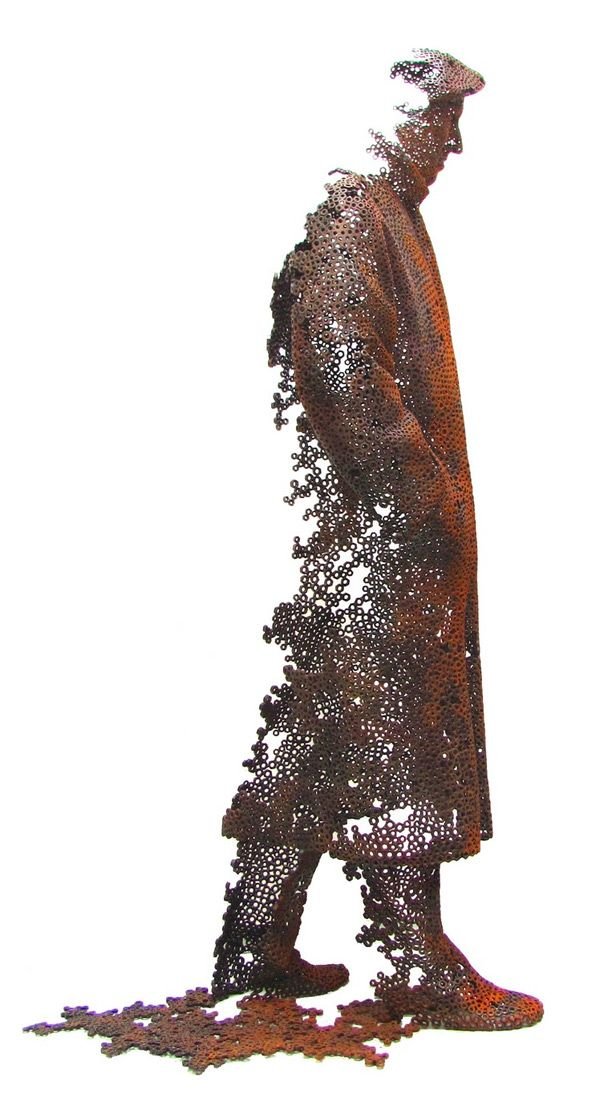
1. The Split
I used to think the hardest part of faith was believing that God loved me.
But over time, I came to realize that the harder part was not hearing that love as a doctrine, but learning how to receive it without dividing myself in two.
I think, in some way, that tension was always there — even before I had language for it. There was a quiet, underlying sense that something in me was not quite right, though I could not have named it at the time.
As I grew older, I began to find words for what I had long felt. But even then, questioning felt dangerous — not only out loud, but even within myself.
Over time, that vague sense became harder to ignore. What had once been subtle slowly took shape through my experiences, until it felt like an undeniable reality: something in me felt divided, as if I had to leave parts of myself behind in order to be fully loved and accepted. I knew I was called to love God and others, but when it came to myself, the message felt different. It was as though parts of me were welcome, and other parts were not.
For many years, I lived with two messages at once. On one hand, I was told that I was made in the image of God, that I was loved, that God delighted in me. On the other hand, I also absorbed the idea that there was nothing good in me. And yet Scripture says, “There is now no condemnation for those who are in Christ Jesus” (Romans 8:1).
Somewhere inside that tension, I learned to distrust myself. I learned to live as though I had to reject part of my own humanity in order to be holy.
That kind of teaching can quietly shape the soul.
It can create an inner split: one self that is supposed to be acceptable, and another self that must be left behind. One self that is “new,” and another that is “old” and therefore unwanted. Without meaning to, I began to live as if spiritual growth required a kind of self-erasure.
And when that happens, it becomes difficult not only to accept yourself, but also to receive others in their unfinishedness. If I could not be patient with my own becoming, how could I be patient with the becoming of anyone else?
This is where spiritual direction has become important to me.
2. What Spiritual Direction Revealed
Spiritual direction has helped me see that many of the things I once carried as truth were also carrying shame. It helped me notice that what felt like humility was sometimes self-rejection, and what felt like holiness was sometimes fear. It gave me a space to listen more honestly to my inner life before God, without needing to rush toward a neat conclusion.
What I am learning now is that spiritual formation is not the work of becoming someone else. As David Benner puts it, “The cure is not to become someone else, but to become who you are.”
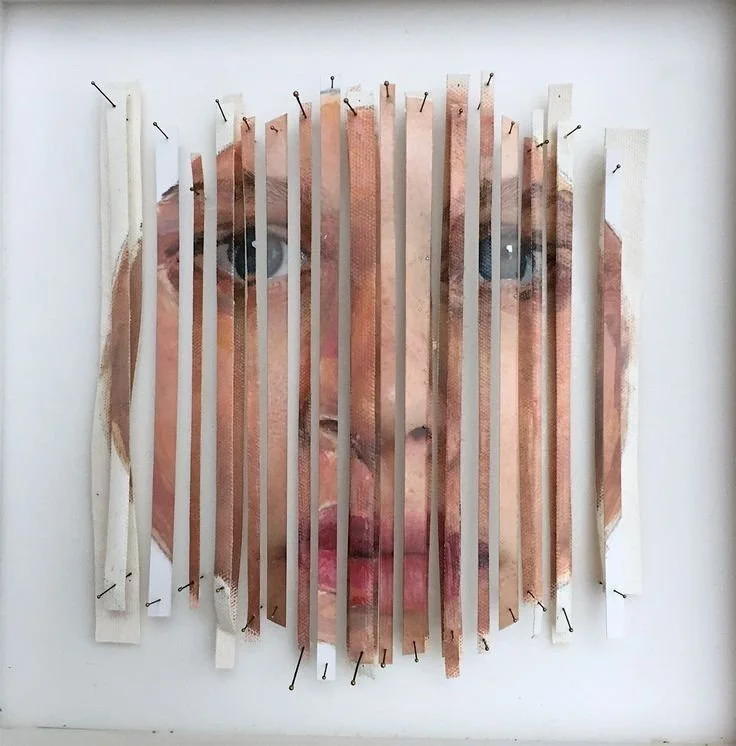
It is the slow, gentle work of becoming more integrated.
It is learning that sin is not my identity. It is real, yes, but it is not my essence.
What is broken in me does not erase what is beloved in me. What is wounded in me does not cancel the image of God in me.
Grace does not ask me to pretend I was never hurt; grace invites me to be healed in the very place where I learned to fear myself.
That is why spiritual direction matters so much.
It helps us notice how easily shame can disguise itself as truth. It helps us name the ways we have learned to live divided from ourselves. It helps us bring what is hidden into the light — not so that we can be condemned, but so that we can be held.
Sometimes the soul does not need a stronger argument; it needs a gentler presence.
Sometimes we do not need to be corrected before we are understood. We need to be accompanied while truth slowly takes root.
I think many of us carry some version of this wound.
3. From Self-Erasure to Integration
We know we are loved in theory, but we still live as if love must be earned. We know God welcomes us, but we still suspect that something in us makes us less worthy of that welcome. We know the language of new creation, but we have not always been shown how new life includes the careful integration of the whole self before God.
And so, slowly, I am learning to let formation do what fear could not.
I am learning that becoming whole is not the same as becoming perfect.
I am learning that God’s love is not fragile enough to collapse under my unfinishedness.
I am learning that spiritual direction can be a sacred place where the divided heart begins to come home.
This is not a conclusion for me. It is a growth point.
A place where I can say, with more tenderness than certainty, that maybe the work is not to reject the parts of me that still feel human, but to let all of me be met by love.
Maybe healing is not the erasure of the old self, but the patient restoration of the self into truth.
Maybe spiritual formation is, in part, the grace of no longer needing to live split in two.
4. Learning to Be Held
And if, at some point, you find yourself wanting someone to sit with you in this — to listen, to notice, to gently make sense of what is unfolding — you are welcome to reach out.
You do not have to walk it alone.
